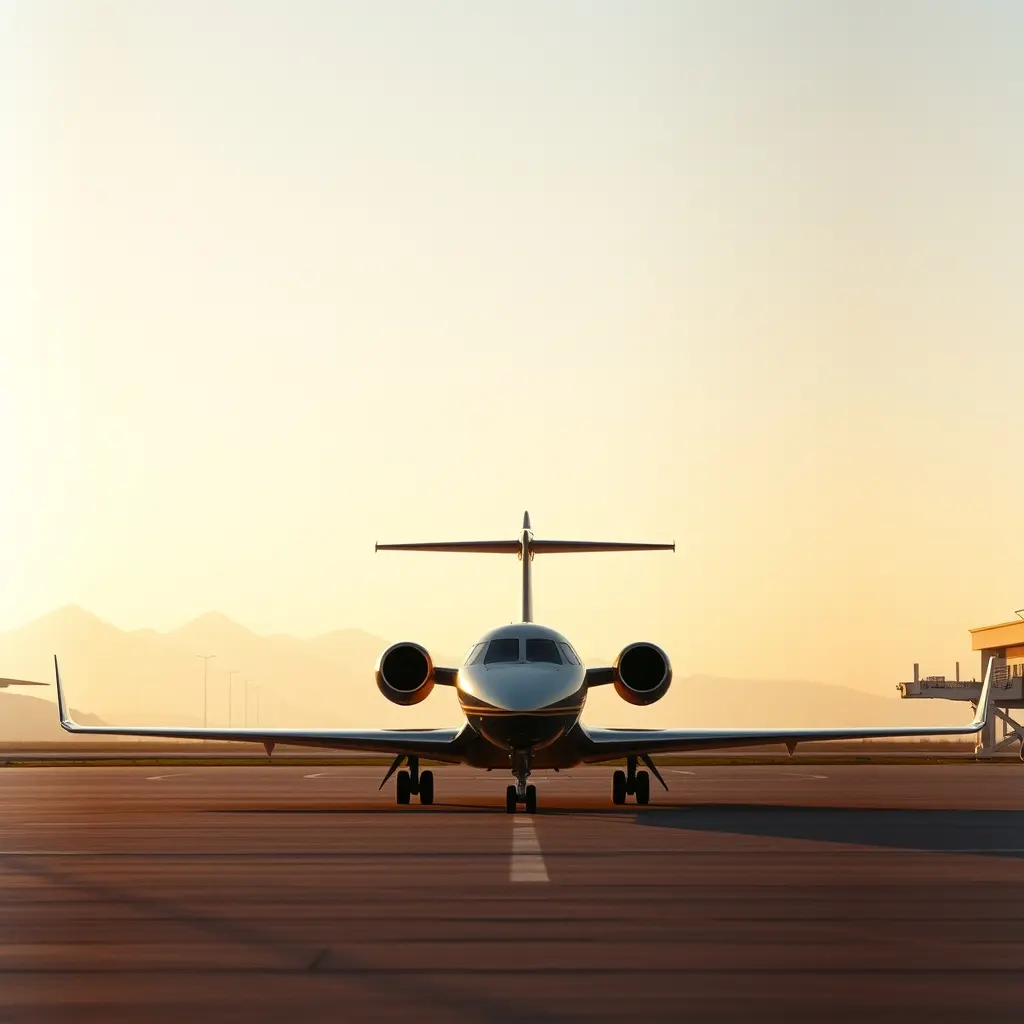
£7,014 for a one‑way Phenom 300 flight from FAB to LIN translates to £1,754 per passenger when four people share the cabin, and to £1,169 each with six occupants. Those per‑seat figures sit comfortably below the price most travellers pay for a business‑class ticket on the same corridor, meaning a fully‑utilised light jet can beat the commercial product on both cost and door‑to‑door time.
London–Milan: the cost per seat
The 532‑nautical‑mile sector between Farnborough (FAB) and Linate (LIN) typically consumes 1 hour 35 minutes of block time. A Phenom 300, the light jet most operators dispatch on this distance, carries a price band of £7,014–£10,520. At the low end, splitting the cost among four passengers yields £1,754 each; with six, the figure falls to £1,169. By contrast, a midsize Citation XLS would start at £10,692 for the whole aircraft, giving a four‑seat share of £2,673 – already above a typical business‑class fare. The heavy Challenger 350, even at its cheapest, costs £18,190, which translates to £4,548 per passenger for a four‑person load.
£7,014 makes a light jet competitive
To decide whether the private option trumps business class, apply a simple arithmetic rule: if you can seat at least four passengers and the business‑class ticket exceeds £1,754, the light jet is cheaper per head. The rule emerges directly from the lowest light‑jet price and the four‑seat split. For six travellers, the break‑even point drops to £1,169, so even a modest business‑class fare would be out‑priced.
Choose a four‑passenger load to beat business class
Most private‑jet users assume the price advantage lies only in the luxury factor, not in pure economics. The counter‑intuitive truth for short‑range routes is that a light jet’s operating cost per nautical mile is lower than a midsize or heavy platform, and when the aircraft is filled, the per‑seat cost undercuts the airline’s premium cabin. The reason is simple: the operator charges for the whole machine, not for individual seats. Once that fixed cost is divided among a few travellers, the math favours the private side.
The trade‑off comes in the form of flexibility. A light‑jet charter requires a committed passenger list; empty seats are a sunk cost. Additionally, the aircraft may need to reposition (a “ferry leg”) to reach FAB, and that repositioning cost is baked into the quoted price. Handling fees at busy hubs, crew duty‑time limits that dictate when a crew must rest, and the inability to tap into airline loyalty programmes are the hidden price tags you pay for the convenience.
Flying with a dog or checking extra baggage is painless on a private jet. Most operators allow a pet in the cabin without the hefty “pet fee” airlines charge, and the baggage allowance is limited only by the aircraft’s weight and balance envelope, not by a fixed kilogram quota.
- Repositioning legs add a non‑negotiable charge that appears in the quoted price.
- Crew duty limits can force a change of crew on longer legs, raising the hourly rate.
- Handling at busy airports is billed separately and moves the final figure.
- Night‑time curfews, where they exist, may require a surcharge or a different routing.
Why the light jet wins on time
Business‑class passengers still contend with airline check‑in, security queues, and the need to be at the gate well before the scheduled departure. A private‑jet itinerary from FAB to LIN typically starts with a brief curb‑side meet‑and‑greet, followed by a two‑minute taxi and a direct climb to cruise altitude. The result is a door‑to‑door experience that can shave 30–45 minutes off the total journey, even before the 1 hour 35 minutes in the air is considered.
When you combine the time savings with the per‑seat cost advantage, the case for a light jet on this corridor becomes compelling. The rule of thumb remains: assemble four or more travellers, compare the business‑class price you would pay, and let the £7,014 figure do the math. If the commercial fare sits above the per‑seat split, the private aircraft not only feels exclusive – it actually costs less per head and gets you to Milan faster.