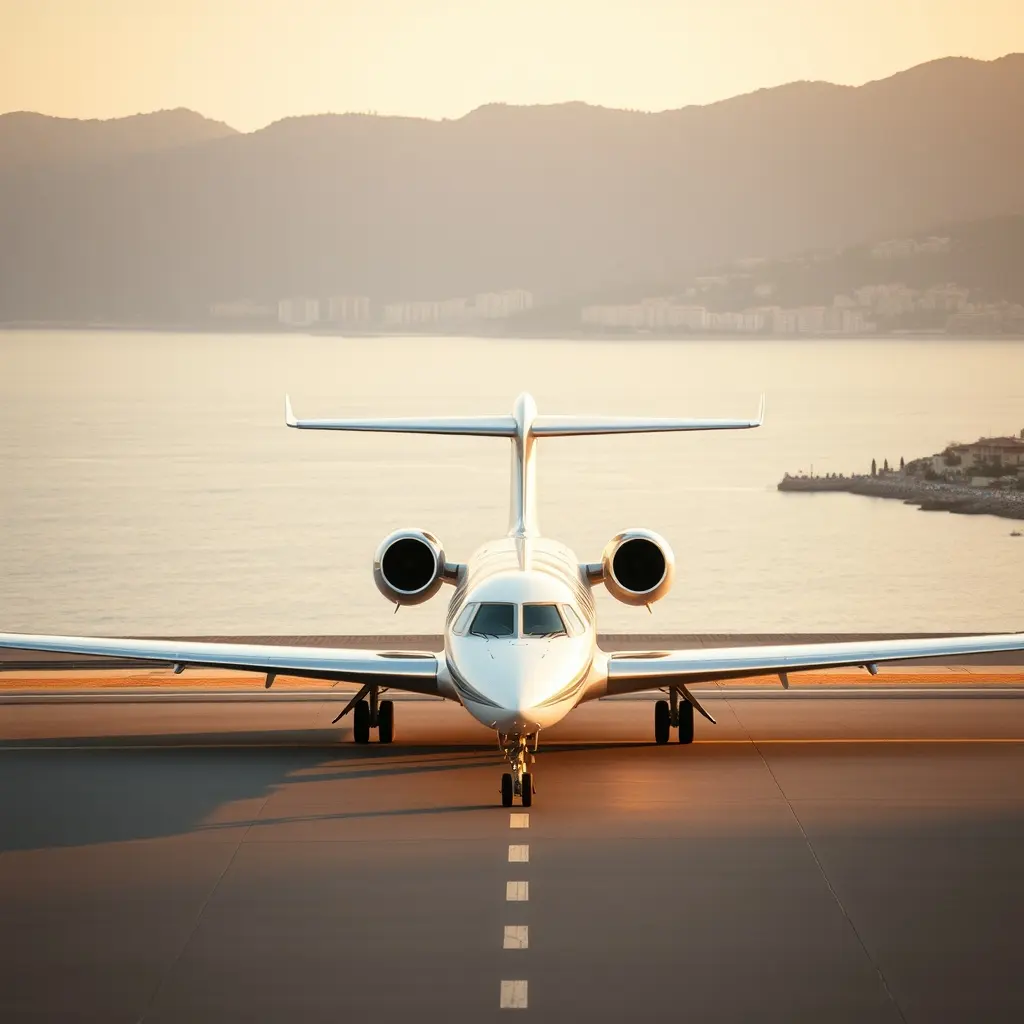
£37,185 is the low‑end one‑way price for a heavy‑jet on the 560‑nm FAB‑NCE sector. Split among four travellers that sum becomes £9,296 each; with six it drops to £6,198. Those figures set the ceiling against which light and midsize alternatives are judged.
FAB‑NCE: £37,185 heavy‑jet baseline
The heavy‑jet quote covers the full aircraft, crew, fuel and standard handling. Dividing by the block time of 1h 40m (1.667 h) yields a per‑seat hourly cost of roughly £5,580 for a four‑person party and £3,718 for six. By contrast, a typical business‑class ticket on a scheduled carrier represents a fraction of that hourly rate, underscoring why the market leans toward smaller cabins for this distance.
Four‑passenger split: £9,296 each
When four people share the heavy‑jet, the per‑seat cost stays above £9,000. The per‑hour figure of £5,580 is useful for budgeting: multiply by the actual flight time and you arrive back at the published total. If you can add two more seats, the per‑seat price falls by about £3,100, but the cabin becomes more cramped and baggage limits tighten.
Choosing light over midsize: range and baggage trade‑off
A Phenom 300, the light‑jet in our data set, lists a maximum range of roughly 1,200 nm. The 560‑nm leg sits comfortably within that envelope, leaving ample reserve for alternate airports. The midsize Citation XLS pushes the range to around 2,000 nm, but that extra mileage buys only marginal gains on a short hop. The real difference lies in baggage volume: the midsize cabin typically offers 30‑40 % more luggage space, while the light jet’s hold can accommodate two large suitcases plus a carry‑on per passenger.
Rule of thumb: seat cost floor for this sector
If you travel with four passengers, expect the per‑seat price on any jet to stay above £9,000 on a direct FAB‑NCE charter. Anything lower usually signals a repositioning leg or an off‑peak schedule that reduces the operator’s dead‑head cost. Ask the operator whether the quoted figure includes a ferry leg; a repositioning can shave several thousand pounds off the headline price.
- Crew duty limits – pilots must rest after a set number of flight hours, influencing the need for additional crew on longer legs.
- Handling fees – ground services at both FAB and NCE are billed separately and move the final figure.
- Ferry (repositioning) legs – when an aircraft is dead‑heading to the departure airport, the operator may pass a portion of that cost to the charterer.
Charter estimates are derived from a base rate, the aircraft’s operating costs, and the mechanisms listed above. A confirmed quote locks in those variables for the specific flight date, but it can still shift if the operator needs to reposition the jet on short notice. Always request a breakdown so you can see where the heavy‑jet price stands relative to the light‑jet alternative.
In practice, most travellers on the FAB‑NCE corridor choose the Phenom 300. It meets the range requirement, offers sufficient baggage space for a typical four‑person party, and lands well below the £9,000 per‑seat threshold set by the heavy‑jet example. The midsize Citation XLS becomes attractive only when the extra luggage room outweighs the higher per‑seat cost, or when the itinerary includes a longer leg that would push a light jet to the edge of its fuel reserve.
Bottom line: on a 560‑nm trip, the light jet delivers the best mix of price, range and baggage capacity. The midsize jet adds cabin room at a clear per‑seat premium, while the heavy jet remains a premium option for groups of six or more who value space above cost.