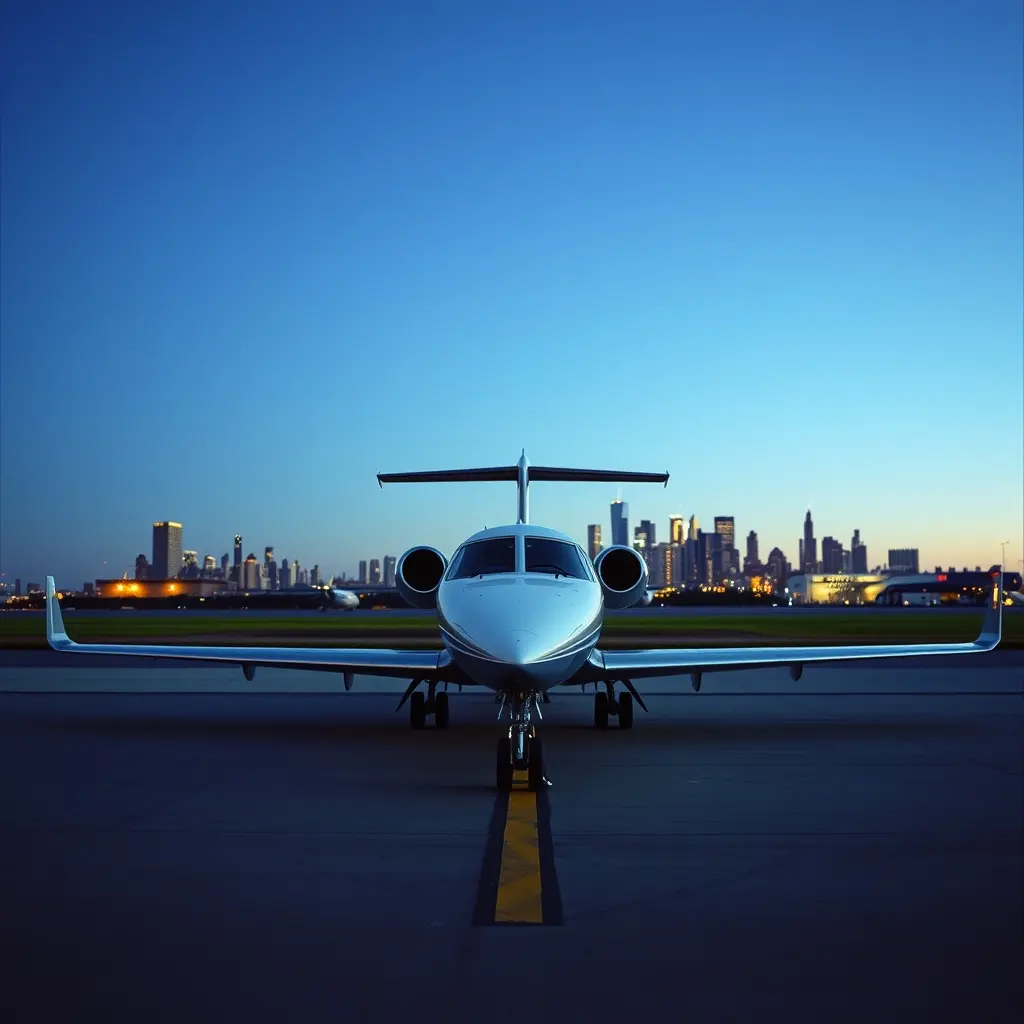
Simple Flying on MSN reports that a Pilatus PC‑12 commands roughly $2,000 to $3,000 per hour, with positioning flights and ancillary fees capable of pushing the final bill higher.
When you ask how much does it cost to charter a Pilatus PC‑12 per hour in 2026, the answer hinges on two variables: the published hourly rate and the actual block time for the route you intend to fly. For a typical Boston‑to‑New York hop, the flight occupies about 45 minutes of air time, turning the published hourly range into a concrete $1,500‑$2,250 charge for the segment.
Boston (BED) to New York (TEB): raw numbers
The great‑circle distance between Hanscom Field (BED) and Teterboro (TEB) is 158 nm. Operators schedule a block time of roughly 45 minutes, which translates to three‑quarters of an hour. Multiplying the PC‑12’s hourly envelope by 0.75 yields a base cost of $1,500 at the low end and $2,250 at the high end. Those figures exclude any positioning leg the aircraft must fly to reach BED, handling at the departure or arrival airports, and crew‑related expenses that are billed separately.
Hourly PC‑12 cost versus a light‑jet block
Light jets dominate the Boston‑New York corridor because they can comfortably cover the 158 nm distance and still leave ample reserve fuel. Our live board shows a Phenom 300 quoting $11,644‑$14,379 for a one‑way block. Divide that by the number of passengers to see the per‑seat impact.
For four occupants, the low‑end quote works out to $2,911 each; the high‑end quote rises to $3,595 each. With six occupants, the per‑seat price drops to $1,941 at the low end and $2,397 at the high end. Even the most expensive light‑jet quote still stays under the $3,000‑hour benchmark for a PC‑12 when you can fill at least four seats.
Empty‑leg opportunities can shave $3,000
Empty‑leg, or positioning, flights appear on our board 254 times a day across 27 aircraft types. When a light jet is already dead‑heading from BED to another location, the operator may offer the Boston‑to‑New York leg at a steep discount. In practice, an empty‑leg price can be 20‑30 % lower than the standard quote, shaving roughly $2,500‑$4,300 off the total. Because the discount applies to the whole aircraft, the per‑seat benefit multiplies for groups of four or more.
That discount does not come without a trade‑off. An empty‑leg flight is fixed to the operator’s schedule; you cannot dictate departure time, and the aircraft may already be loaded with other passengers sharing the cost. The convenience of a private, on‑demand PC‑12 charter therefore retains value despite the higher per‑hour charge.
Rule: Fill four seats to beat the PC‑12 rate
Rule: If you can secure four confirmed seats on a light jet, the per‑seat cost will stay below the $3,000‑hour ceiling of a Pilatus PC‑12. This rule works because the total light‑jet price is spread across a minimum of four passengers, bringing the per‑seat figure into the same band as the PC‑12’s hourly cost while delivering higher speed and a larger cabin.
One counter‑intuitive truth about this short sector is that a heavier‑class jet can still be economically sensible if you have six passengers. The per‑seat cost for a midsize Citation XLS, quoted between $12,809 and $17,440, drops to $2,135‑$2,907 for six occupants—still comparable to a PC‑12 hour and offering greater cabin space.
- Positioning flights – the distance the aircraft must travel empty before your leg begins.
- Handling fees – airport‑specific services such as ground power, stairs, and security that are billed separately.
- Crew duty limits – regulations that may require a crew change or additional rest, adding to the operator’s cost.
- Ferry legs – the return trip the operator must schedule, which can be passed on to you as a surcharge.
In practice, the decision comes down to three questions: Do you need to leave at a specific time? How many seats will you fill? Are you willing to accept a shared‑flight arrangement to capture an empty‑leg discount? Answering those questions against the numbers above lets you weigh the $1,500‑$2,250 PC‑12 block against a $11,644‑$14,379 light‑jet quote and arrive at a cost‑effective solution for the Boston‑New York corridor.